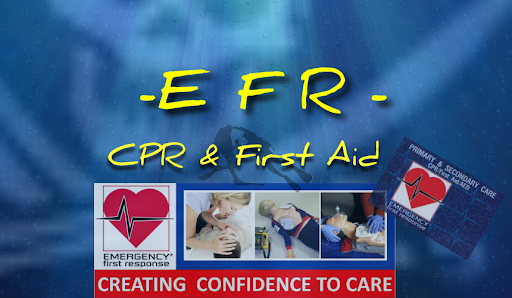
The Emergency First Response (EFR) Primary and Secondary Care course provides comprehensive training in CPR and first aid, equipping lay rescuers with the confidence and skills to respond to life-threatening and non-life-threatening emergencies. It is based on the consensus view of the International Liaison Committee on Resuscitation (ILCOR) and is often a prerequisite for PADI Rescue Diver certification.

Emergency First Response (EFR) Primary and Secondary Care course

$135.00

Gain Essential Life-Saving Skills
Enrolling in the Emergency First Response (EFR) Primary and Secondary Care course equips you with the skills needed to respond to both life-threatening and non-life-threatening emergencies confidently. Designed for lay rescuers, this course is rooted in the latest medical research and follows the consensus guidelines of the International Liaison Committee on Resuscitation (ILCOR). Whether you’re preparing for unexpected situations or aiming to meet qualifications for further diving certification, this course offers unparalleled value.

Comprehensive Training for Real-World Scenarios

The EFR course goes beyond basic CPR and first aid. It teaches hands-on techniques for managing a range of emergency scenarios, combining theoretical knowledge and practical exercises. From recognizing symptoms to performing efficient procedures, you will learn effective approaches for assisting individuals in distress. These skills aren’t just about saving lives—they’re also about providing timely care to improve outcomes until professional help arrives.

Perfect for Dive Enthusiasts and Lay Rescuers

Already considering advancing your diving credentials? The EFR Primary and Secondary Care courses are often required for completing the PADI Rescue Diver certification. By gaining such foundational skills, dive enthusiasts become well-prepared for underwater emergencies. Even if you’re not a diver, mastering these techniques proves invaluable in daily life, ensuring you’re ready to help friends, family, or strangers in need with confidence.


Course Components:

The course is divided into two parts, which are typically taught together:
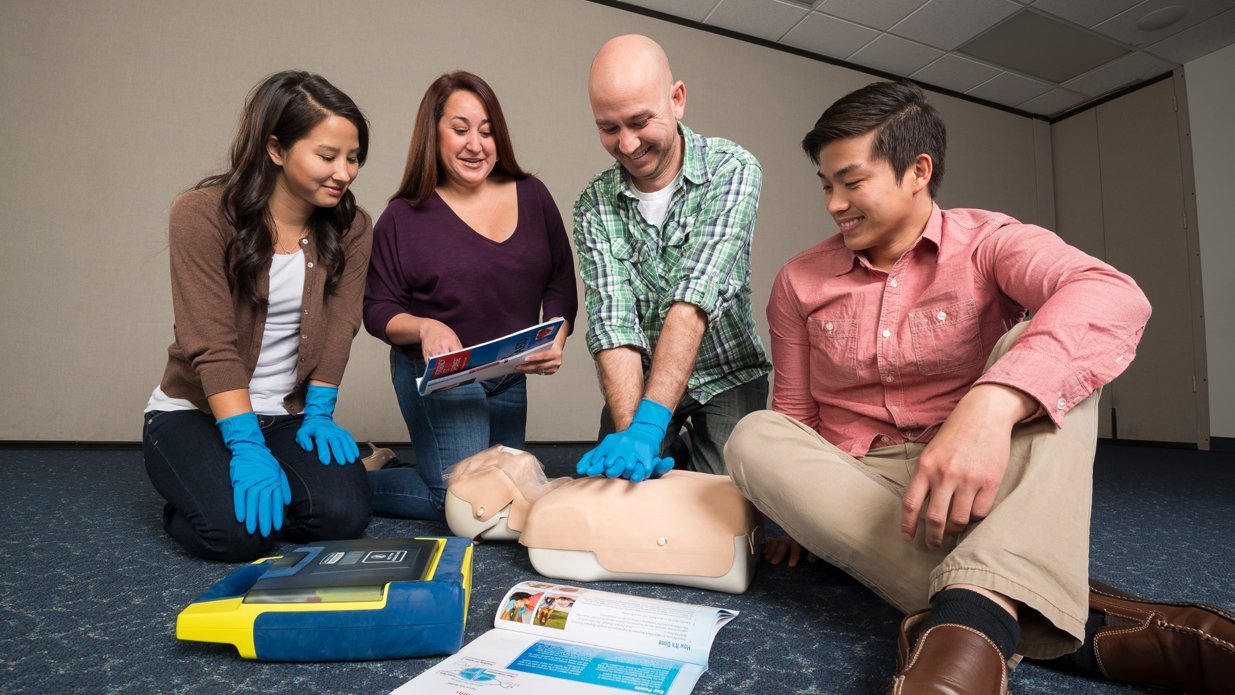
Primary Care (CPR):
This section teaches participants how to respond to immediate, life-threatening emergencies until professional medical services arrive. Skills are developed through knowledge development, hands-on practice, and realistic scenarios.

•Scene Assessment and Barrier Use: Ensuring safety and preventing disease transmission.

•Primary Assessment: Quickly identifying life-threatening conditions.

•Cardiopulmonary Resuscitation (CPR): Performing chest compressions and rescue breathing (for adults, children, and infants).

•Serious Bleeding Management: Controlling significant blood loss.

•Shock Management: Recognizing and caring for a patient in shock.

•Spinal Injury Management: Learning how to stabilize and move a patient with a suspected spinal injury.

•Conscious and Unconscious Choking Management: Techniques for aiding choking victims.

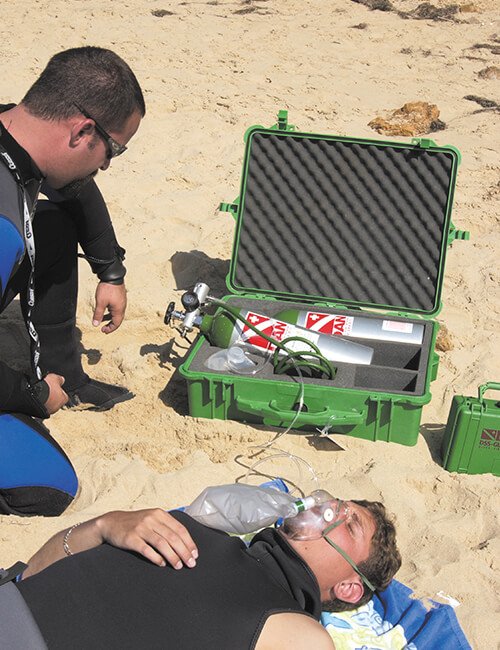
•Optional Skills: Automated External Defibrillator (AED) use and emergency oxygen use orientation are often included or available as add-ons.

Secondary Care (First Aid):

This portion covers injuries or illnesses that are not immediately life-threatening, particularly when emergency medical services are delayed or unavailable.

•Injury Assessment: Evaluating injuries to determine the extent of the problem.

•Illness Assessment: Identifying signs and symptoms of various illnesses.

•Bandaging: Applying dressings and bandages correctly.

•Splinting for Dislocations and Fractures: Stabilizing musculoskeletal injuries.

The course also provides reference knowledge on how to treat a wide array of specific medical issues, including allergic reactions, burns, heatstroke, heart attack, seizures, bites, stings, and more.

Key Details:

•Prerequisites: No prior CPR or first aid training is required, and there are no minimum age restrictions.

•Duration: The full Primary and Secondary Care course typically takes about one day (around 6-8 hours), including independent study (eLearning) and practical sessions.

•Certification: Participants receive an internationally recognized certification that is generally valid for two years. A refresher course is recommended every 24 months to maintain skills.

Sign up today to begin your journey toward becoming a skilled responder. Whether tackling minor injuries or critical situations, this course equips you with the ability to make a real difference when it matters most.

Contact us to review your experience with us

Give us feedback and let us know what experiences you had while on vacation with us

Diving in Sharm El Sheikh, Egypt

Egypt attracts divers from all over the world, like a magnet. And this is not surprising, because diving in Egypt due to the unique natural features of the Red Sea is considered the best in the world.
Unique diversity of marine life, abundance of amazing coral reefs, transparent to 40 meters deep in the Red Sea, whose temperature in winter does not fall below 20 degrees and summer is around 26-28 degrees - all this is Egypt, where diving and snorkeling is a list of essential services provided to tourists at all without exception coastal resorts.

PADI Diving Courses

Egypt, the country of ancient pyramids and warm Red Sea, is the ideal place to experience diving.Diving Courses in Egypt is also offered to beginners who have absolutely no experience of scuba diving.